Calgary’s climate is genuinely aggressive toward vehicles. If you’ve ever lived somewhere mild and then moved here, the acceleration of car wear and corrosion can be shocking. Our weather pattern is a perfect storm of damage factors. Understanding what’s actually attacking your vehicle helps explain why protection measures here aren’t luxuries—they’re sensible maintenance.

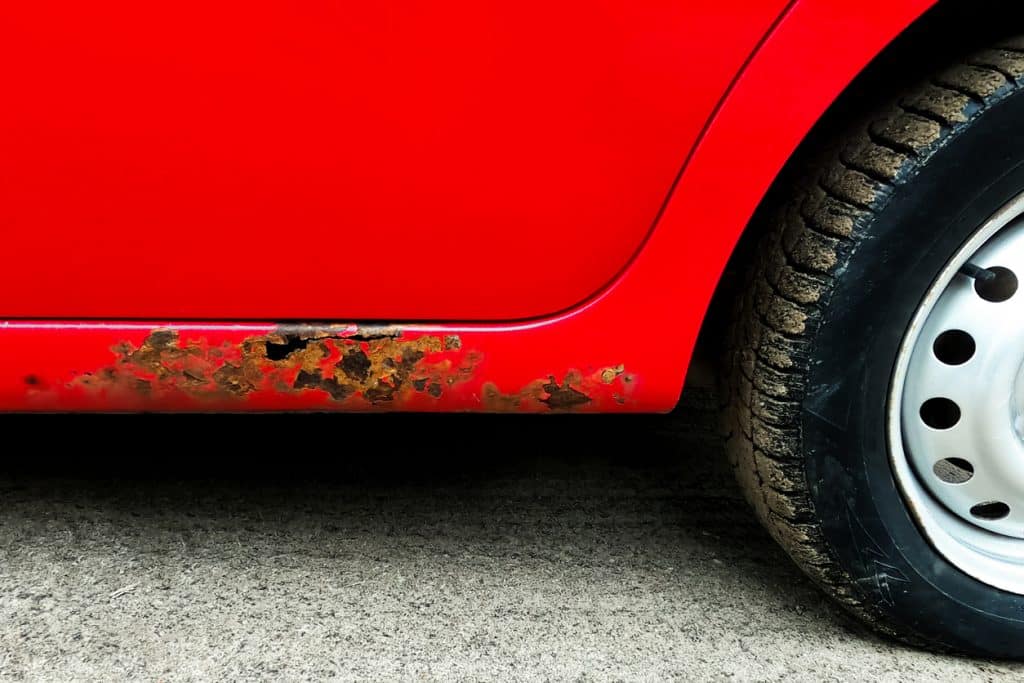
The salt exposure begins in November and continues through March. During Calgary winters, road treatment includes large quantities of rock salt and chemical de-icing compounds. Unlike coastal cities where salt spray is the primary concern, Calgary’s salt damage is direct: salt accumulates in wheel wells, on brake lines, on suspension components, and gets trapped in every crevice of your vehicle. Road salt is sodium chloride, and it’s aggressively corrosive to ferrous metals. Aluminum and copper are also susceptible. The immediate damage is visible—salt damage can cause surface rust within days in the right conditions. The long-term problem is structural: salt penetrates paint and accelerates corrosion of steel frames and components.

What makes Calgary’s salt exposure particularly brutal is the moisture cycling. Salt needs moisture to cause corrosion, and our winter weather provides exactly that. Snow and slush cling to vehicles, then melting occurs with temperature swings, creating a wet salt-laden environment. The bottom of your vehicle becomes essentially a salt bath during winter. Rust can form in weeks if there’s no barrier between salt and bare metal.

UV exposure is intense at Calgary’s elevation. We’re at approximately 3,600 feet above sea level, which means less atmospheric filtering of UV radiation. Calgary gets roughly 2,400 hours of sunshine annually—more than many southern US cities. UV radiation degrades clear coat polymers. It breaks down the chemical bonds in the polymer chains, causing oxidation. This is why paint fade is visible on Calgary vehicles much faster than in coastal or northern cities. Even the most durable modern clear coats show measurable degradation within 5-10 years in Calgary’s intense UV environment, especially if parked outdoors.

Temperature cycling is another factor. Calgary’s temperature swings are extreme. Winter minimums around -30°C, summer highs reaching +30°C, with daily swings of 20-30 degrees common during spring and fall. This repeated expansion and contraction stresses paint adhesion. The clear coat and base coat have different thermal expansion coefficients than the aluminum or steel underneath. Years of this cycling causes micro-separations between layers, peeling at edges, and delamination of paint. You’ve probably seen older vehicles in Calgary with paint peeling from roofs and bumpers—that’s thermal cycling failure.

Industrial fallout and air quality is an underappreciated damage factor in Calgary. We have significant industrial activity to the east, and particulates settle on vehicles. These particles are often acidic or corrosive compounds that don’t just sit harmlessly on paint—they begin corroding immediately. Without protection, these particles etch into clear coat within days. Combined with water and UV, industrial fallout accelerates clear coat failure significantly. During summer smog days, the accumulation can be visible within a week on white or light-colored vehicles.

The interior of your vehicle is similarly assaulted. Winter moisture and salt gets tracked into cabins. Road salt spray can enter ventilation systems and settle on engine bays, electrical connectors, and under-hood components. Aluminum components corrode. Electrical connections corrode, leading to intermittent electrical problems. Engine block corrosion is relatively rare, but suspension and frame components are extremely vulnerable. Rust that forms under your vehicle during winter can be substantial before you even notice it.

This is where the case for comprehensive protection becomes clear. Paint protection film on vulnerable areas—hoods, bumpers, mirrors, lower door panels—directly prevents salt spray and impact damage from reaching the paint and underlying metal. Because PPF is non-porous, salt cannot penetrate it and corrode the paint underneath. The film remains intact even if the vehicle is subjected to harsh chemical environments.

Ceramic coatings provide a different kind of protection. The hard nanoparticle layer provides chemical resistance that keeps salt, industrial fallout, and other contaminants from bonding to and corroding the clear coat. Water beads off rather than puddling, which reduces the amount of time salt-laden moisture sits on the paint. The UV protection in ceramic coatings specifically counters the intense sun exposure at Calgary’s elevation.

Undercoating and rustproofing address the salt damage problem beneath the vehicle. The undercarriage and frame are where structural corrosion damage occurs. 3M Professional Grade undercoating and Woolwax rustproofing are specifically designed to penetrate cavities, coat suspension components, and create barriers that prevent salt and moisture from reaching bare metal. Applied before winter, these treatments can be transformative. Vehicles that receive undercoating treatment show dramatically less rust formation than untreated vehicles over a 5-10 year period.

Window tinting provides multiple benefits in Calgary’s intense UV environment. Beyond the privacy and appearance aspects, quality window tinting blocks 99% of UV radiation from reaching your vehicle’s interior. This prevents dashboard cracking, interior fade, and vinyl degradation that would otherwise occur. Llumar window tinting products, for example, are engineered specifically to balance UV blocking with visibility and optical clarity.

Regular professional detailing isn’t a luxury in Calgary—it’s preventative maintenance. A thorough detailing removes salt, industrial fallout, and contaminants before they have time to etch or corrode. Clay bar treatments lift contaminants from paint. Ceramic-enhanced detailing products provide temporary protection between major coating applications. In Calgary, professional detailing every 6-8 weeks during winter months can dramatically reduce paint damage from salt and contamination.

The reality is that Calgary’s climate is harsh enough that completely unprotected vehicles show measurable paint and corrosion damage within a few years. Vehicles garaged and driven mildly might last 5-7 years before fade and surface degradation become noticeable. Vehicles parked outdoors and driven daily in winter show corrosion and rust stains within 2-3 years. The difference between a protected and unprotected vehicle becomes starkly visible after a single winter.

This isn’t fearmongering—it’s the reality of vehicle ownership at Calgary’s latitude, elevation, and industrial/winter exposure levels. A vehicle protected with PPF on high-wear areas, ceramic coating on all painted surfaces, undercoating on the frame and suspension, and regular professional maintenance will look dramatically better after 10 years than an unprotected vehicle. That’s not opinion—it’s measurable fact visible to anyone comparing vehicles in Calgary.

For vehicle owners across Calgary and Alberta, protecting your investment against the province’s harsh climate conditions is essential. Whether you’re in Airdrie, Cochrane, Okotoks, or Chestermere, our team at Calgary Paint Protection Film provides expert installation services backed by 3M certification.

Ready to Protect Your Vehicle?

Calgary Paint Protection Film is Calgary’s authorized 3M dealer. Get a free quote on professional installation.
Get Your Free Quote

Not all window tint is created equal. If you’re shopping for window tinting in Calgary, you’ll encounter three main types: dyed, carbon, and ceramic. Each has different performance characteristics, longevity, and price points. Here’s an honest comparison to help you choose the right film for your vehicle and budget.

Dyed Window Tint Film

Dyed tint is the most affordable option and has been around the longest. It works by using a layer of dye between an adhesive layer and a protective top coat. The dye absorbs solar energy to reduce heat and light transmission.

Learn more about our professional window tinting in Calgary.

The main advantage of dyed tint is its low cost, typically the cheapest option available. It also provides a dark, matte appearance that many people find attractive. However, dyed tint has significant drawbacks for Calgary’s climate. The dye breaks down over time from UV exposure, causing the film to turn purple or brown. It provides minimal heat rejection compared to newer technologies, absorbing heat rather than reflecting it. In Calgary’s intense summer sun and UV environment, dyed films can start to discolor within 2 to 3 years.

For details, see our 3M Ceramic IR tint.

We generally don’t recommend dyed tint for Calgary vehicles unless budget is the absolute primary concern. The short lifespan means you’ll likely pay for replacement sooner than you’d expect.

Check out our 3M Colour Stable tint for more information.

Carbon Window Tint Film

Carbon tint uses carbon particles embedded in the film rather than dye. This gives it a distinctive matte finish and significantly better performance than dyed film. Carbon tint doesn’t fade or discolor the way dyed film does, and it provides better infrared heat rejection.

Carbon film is a solid middle-ground option for Calgary drivers. It typically rejects 40% to 50% of infrared heat, maintains its color for 5 to 10+ years, has a clean matte appearance that doesn’t interfere with electronics, and costs less than ceramic while outperforming dyed film significantly.

The main limitation of carbon tint compared to ceramic is heat rejection performance. While carbon is a clear improvement over dyed film, ceramic tint pushes heat rejection considerably higher without needing to go darker.

Ceramic Window Tint Film

Ceramic tint represents the current state of the art in window film technology. Instead of dye or carbon, it uses nano-ceramic particles that are invisible to the eye but highly effective at blocking infrared radiation. This is the technology that allows you to get significant heat rejection from a nearly clear film.

For Calgary’s climate, ceramic tint offers clear advantages. It rejects up to 80% or more of infrared heat energy, blocks 99% of UV rays regardless of darkness level, never fades or discolors, doesn’t interfere with GPS, cell signals, or satellite radio, provides the highest optical clarity, and can reject significant heat even in the lightest shades.

The trade-off is cost. Ceramic tint is the most expensive option, typically 2 to 3 times the price of dyed film. However, when you factor in the longer lifespan and superior performance, the cost per year of protection is competitive.

Why Ceramic Wins for Calgary Winters Too

Here’s something most people don’t consider: ceramic tint’s heat management works in both directions. In winter, the same infrared-blocking properties that keep heat out in summer also help retain cabin warmth. The ceramic particles create an insulating barrier on the glass that reduces heat loss. This means your heater works more efficiently, your seats warm up faster, and you use less fuel warming the cabin on cold Calgary mornings.

This winter performance benefit is unique to ceramic film. Neither dyed nor carbon tint provides the same level of thermal insulation.

Our Recommendation for Calgary

At Calgary PPF, we install 3M ceramic window tint exclusively. After years of experience with all film types in Calgary’s demanding climate, we’ve found that ceramic provides the best long-term value and performance for our clients. The higher upfront cost is offset by superior heat rejection, UV protection, longevity, and winter performance.

For clients who want the best protection across all their glass, we recommend ceramic film on all windows paired with a clear ceramic windshield film. This combination maximizes cabin comfort year-round while protecting your interior from UV damage.

Book a free consultation at Calgary PPF and we’ll help you choose the right tint package for your vehicle and budget. Call us at (587) 324-1993.

Before getting your windows tinted in Calgary, you need to understand Alberta’s tint laws. Getting it wrong can mean a fine, a failed vehicle inspection, or having to remove and redo your tint. Here’s a clear breakdown of what’s legal, what’s not, and how to get the look you want while staying within the law.

Alberta’s Window Tint Regulations

Alberta’s Traffic Safety Act and the Vehicle Equipment Regulation set the rules for window tinting in the province. The key measurement is VLT, which stands for Visible Light Transmission. This is the percentage of visible light that passes through the glass. A higher VLT number means more light gets through and the tint appears lighter.

You can explore our window tinting services in Calgary page for specifics.

For the front windshield, Alberta sets no VLT percentage at all. Section 70(1) of the Vehicle Equipment Regulation (Alta Reg 122/2009) prohibits covering the windshield with any transparent, translucent or opaque material, so on a public road it is left uncovered. We install windshield film for off-road, show and export vehicles, and for drivers holding an approved Alberta medical exemption permit.

Visit our 3M Ceramic IR window tint page to learn more.

For front side windows (driver and passenger), Alberta again sets no VLT percentage. The same section 70(1) prohibits covering the side windows beside or forward of the driver, so no film of any darkness is permitted there on a public road. The front-window packages we install are for off-road, show and export vehicles, or for drivers with an approved medical exemption permit.

For rear side windows and the rear windshield, there are no darkness restrictions in Alberta. Section 70(2) allows that glazing to be covered to any level as long as the vehicle has outside mirrors on both the left and right side. You can go as dark as you want on the back half of your vehicle. This is where most Calgary drivers go with a darker tint for privacy and heat rejection.

What Happens If Your Tint Is Too Dark?

If a peace officer in Calgary suspects your tint is too dark, they can test it with a VLT meter during a traffic stop or at a checkpoint. If your front windows are covered with film, you can receive a fine. More importantly, your vehicle can fail its next inspection, and you’ll need to remove the illegal tint before it passes.

The cost of removing and replacing tint is significantly more than doing it right the first time. At Calgary PPF, we measure every installation with a calibrated VLT meter and tell you exactly where each piece of glass stands before your vehicle leaves our shop.

Getting the Most from Legal Tint Levels

Many people are disappointed when they hear that film is not permitted on the front windows at all. But with modern ceramic window film technology, you can still get significant benefits from the glass that can be covered. A premium ceramic tint film on the rear glass can still reject up to 60% of solar heat energy, block 99% of harmful UV rays, reduce glare significantly, and provide a subtle, clean appearance.

The technology behind ceramic tint is fundamentally different from the old dyed films. Ceramic particles embedded in the film reject infrared heat energy without needing to be dark. This means you get real performance benefits while maintaining full visibility and legal compliance.

Popular Tint Combinations in Calgary

The most common setup we install at Calgary PPF is a combination approach. On the front windshield, the glass is left uncovered for road use, because section 70(1) catches clear film just as it catches tinted film. On the front side windows, film is not permitted on a road-driven vehicle, so that glass is left clear unless you hold an approved medical exemption. On the rear side windows and rear windshield, clients usually go with 20% to 35% VLT ceramic tint for strong privacy and heat rejection.

This combination gives you the best of both worlds: full legal compliance with meaningful heat rejection and UV protection across every piece of glass.

Tint During Alberta Winters: Is It Worth It?

Absolutely. While most people think of tint as a summer product, it provides year-round benefits in Calgary. UV rays are present even on overcast winter days and contribute to interior fading and dashboard cracking. The insulating properties of ceramic tint also help retain cabin heat in winter, making your heater more effective. And the glare reduction is valuable during those low-angle winter sun conditions that Calgary is known for, especially when driving east or west during the morning and evening commute.

Get Your Windows Tinted Legally in Calgary

At Calgary PPF, we use 3M ceramic window film and measure every installation with a calibrated VLT meter. You’ll leave our shop with a tint that looks great, performs well, and passes any inspection. Contact us for a free quote or call (587) 324-1993 to book your appointment.

If you’re considering ceramic coating for your vehicle in Calgary, the first question on your mind is probably: how long will it actually last? The short answer is 2 to 7+ years, but the real answer depends on several factors specific to Calgary’s climate and how you maintain it.

At Calgary PPF, we apply professional-grade 9H ceramic coatings that are designed to withstand Alberta’s extreme temperature swings, UV exposure, and road salt. Here’s what you need to know about ceramic coating longevity in our city.

See our professional ceramic coating for the full breakdown.

What Affects Ceramic Coating Durability in Calgary?

Calgary’s climate is uniquely challenging for any paint protection product. Winter temperatures regularly drop below -30°C, while summer highs can push past 35°C. That 65-degree temperature range puts constant stress on coatings. Add in the chinook winds that cause rapid freeze-thaw cycles, and you have one of the toughest environments in North America for automotive coatings.

The main factors that determine how long your ceramic coating will last include the grade of coating applied, surface preparation quality, your washing habits, and exposure to environmental contaminants. Professional-grade coatings (9H hardness) applied after proper paint correction will always outlast consumer-grade products applied over swirl marks and contamination.

Learn more about our ceramic coating care guide.

Professional 9H Coating vs. Consumer-Grade Products

There’s a significant difference between the ceramic coatings you can buy at Canadian Tire and what we apply at our shop. Professional 9H coatings like 3M Pro Series create a chemical bond with your clear coat that’s measured in years, not months. Consumer spray-on products typically last 3 to 6 months before they need reapplication.

Professional coatings achieve their durability through a multi-layer application process. We apply the coating in controlled conditions after a multi-stage paint correction, ensuring the surface is completely clean and free of defects. This preparation is what separates a coating that lasts 18 months from one that lasts 5+ years.

Calgary Winter and Your Ceramic Coating

One of the biggest concerns Calgary vehicle owners have is how ceramic coating handles winter. The good news is that a properly applied ceramic coating actually performs exceptionally well in cold conditions. The hydrophobic properties mean snow and ice have less surface area to bond with, making removal easier and reducing the risk of scratching during clearing.

Road salt is the real enemy. Calgary uses a mix of salt and gravel on winter roads, and this cocktail is brutal on unprotected paint. Ceramic coating creates a sacrificial barrier that takes the chemical abuse instead of your clear coat. However, you still need to wash your vehicle regularly throughout winter. We recommend a touchless wash every two weeks during salt season to keep the coating performing at its best.

Maintenance Tips to Maximize Coating Life

The way you wash and maintain your vehicle has a direct impact on coating longevity. Here are the key habits that will help your ceramic coating last as long as possible in Calgary’s climate.

Use the two-bucket wash method or a touchless wash system. Avoid automatic car washes with brushes, as they create micro-scratches that degrade the coating over time. Use pH-neutral car wash soap and avoid dish soap or household cleaners. Apply a ceramic coating maintenance spray every 3 to 4 months as a booster layer. Park in a garage whenever possible to reduce UV exposure and temperature cycling.

When to Recoat

You’ll know your ceramic coating is starting to wear when water no longer beads tightly on the surface. Fresh ceramic coating creates tight, round water beads that roll off quickly. As the coating degrades, water starts to sheet rather than bead, and you’ll notice contaminants sticking more easily.

At Calgary PPF, we offer maintenance inspections where we assess your coating’s condition and can apply a refresh layer if needed. Most of our clients get 3 to 5 years before needing any significant touch-up, with some coatings lasting 7+ years with excellent maintenance.

Is Ceramic Coating Worth It in Calgary?

Given Calgary’s harsh climate, ceramic coating is one of the best investments you can make for your vehicle’s appearance and resale value. The cost of a professional coating pays for itself by reducing paint damage from salt, UV, and environmental fallout. Combined with PPF on high-impact areas, you get comprehensive protection that keeps your vehicle looking new for years.

Ready to protect your vehicle? Contact Calgary PPF for a free consultation and quote on professional ceramic coating. We’re a certified 3M Pro Shop Dealer serving all of Calgary and surrounding areas.

Paint protection film is a significant investment, and proper care will help it last 10+ years while keeping your vehicle looking its best. The good news: PPF maintenance is simpler than most people expect. Here is everything you need to know about caring for your PPF in Calgary’s climate.

The First 48–72 Hours After Installation

This is the most important window for your new PPF. The film adhesive needs time to fully cure and bond to the paint surface. During this period:

Learn more about our professional PPF services.

  • Do not wash your vehicle for at least 48 hours (72 hours is better)
  • Avoid pressure washing — even after the curing period, keep pressure washers away from film edges
  • Do not wax or apply sealants during the curing period
  • Park in a garage or covered area if possible to avoid rain and debris
  • Expect some water bubbles or haziness — these are normal and will disappear as the adhesive cures

Washing Your PPF-Covered Vehicle

Regular washing is the single most important maintenance step for PPF longevity. Here is what to do and what to avoid:

For details, see our detailed care instructions.

Recommended: Hand Washing or Touchless Automatic Wash

Hand washing with a pH-neutral automotive soap and a clean microfibre mitt is the ideal method. Use a two-bucket system (one for soapy water, one for rinse water) to avoid dragging grit across the film. Rinse thoroughly and dry with a clean microfibre towel.

Touchless (no-contact) automatic car washes are also acceptable, though the high-pressure sprays should not be directed at film edges. Avoid the dryer cycles that blast heated air on film edges.

Avoid: Brush-Style Automatic Washes

Traditional automatic car washes with spinning brushes or cloth rollers will degrade PPF over time. The abrasive action wears down the film’s self-healing top coat and can cause lifting at edges. Avoid these entirely if you have PPF installed.

Check out our warranty information for more information.

Dealing with Contaminants: Bird Droppings, Tree Sap, and Bugs

Bird droppings and tree sap are highly acidic and can etch through the film’s top coat if left for extended periods. In Calgary’s summer, these contaminants can bake into the film surface within hours on a hot day.

Act quickly: Remove bird droppings and sap as soon as you notice them. Soak the area with water or a quick detailer spray, let it dwell for a minute, then gently wipe away with a clean microfibre cloth. Do not scrub — let the soaking do the work.

Bug splatter on the front bumper and hood should be removed regularly, especially after highway drives. Let them soak before wiping — dried bugs will scratch the film if removed dry.

Using the Self-Healing Feature

Premium PPF films like XPEL Ultimate Plus and SunTek Ultra have self-healing top coats that repair minor swirl marks and light scratches with heat. In Calgary summers, parking in the sun for 20–30 minutes is often enough to heal surface swirls. In cooler weather, you can pour warm (not boiling) water over the film to activate healing.

Annual Maintenance: PPF Sealant and Inspection

Once a year, we recommend applying a PPF-compatible spray sealant to refresh the hydrophobic properties of the film. Products specifically designed for PPF (such as XPEL Flawless Finish) are the safest choice. Avoid products containing waxes or silicones that can cause temporary hazing on the film surface.

An annual inspection by a professional installer is also worthwhile. We can identify any early signs of edge lifting, contamination under the film, or areas that need attention before they become larger problems.

Calgary-Specific Tips

  • After winter driving: Rinse the underside and lower panels after driving on salted roads to prevent salt buildup around film edges
  • Spring wash: A thorough hand wash in spring to remove winter salt and sand is especially important for rocker panel and lower door film
  • Road construction debris: Calgary has more active construction zones per capita than most Canadian cities — check your PPF for impact damage after driving through heavy construction areas

Proper care keeps your PPF looking crystal clear and performing at its best for the full warranty period. Have questions about caring for your film? Contact Calgary PPF — we are happy to help at either our Chinook Centre or Deerfoot City locations.

How to protect your window tint Calgary in winter

Getting a new window tint installed on a vehicle takes time and money, and the last thing any car owner wants is to have their newly installed tint ruined by external factors. Although it may seem that inflicted damages can be inevitable when your car and tint are left to endure the harsh Canadian winters, there are several ways to protect your vehicle. Winter’s extremities don’t have to cause harm to your windshield and window tint Calgary that will cost you more money than you bargained for. 

Here are some suggestions to consider that will help you protect your vehicle’s windshield and tint before winter weather takes hold. 

For details, see our ceramic coating for winter protection.

Learn more about our professional window tinting.

Repair any damages 

Before winter begins, you should inspect your windshield and the other areas where your window tint has been installed. Any cracks or signs of damage can only exacerbate when winter storms begin to surface in your area, effectively causing costly damage to your windshield and ruining the tint that has been applied to your car. Instead of prolonging necessary repairs as winter approaches, get a professional to fix the visible flaws that have culminated on the windshield and tint. 

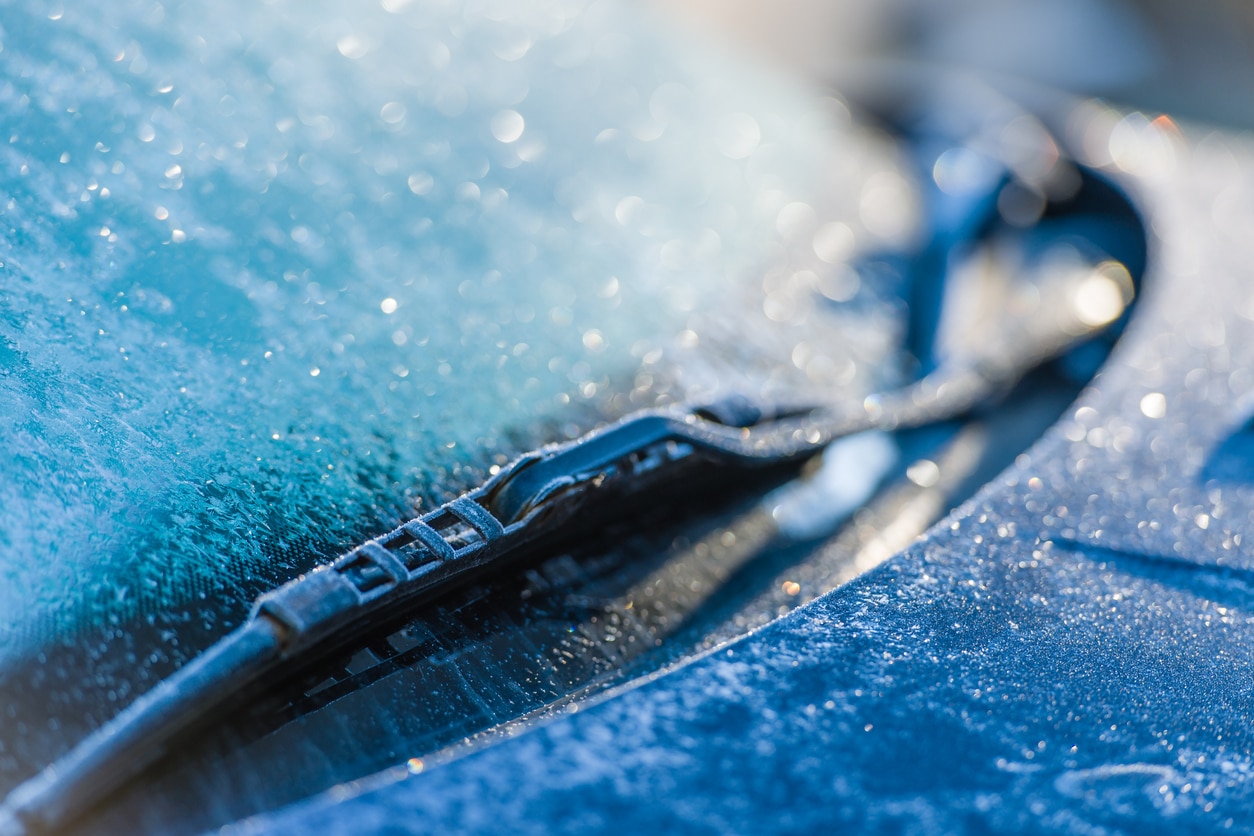
Install new windshield wipers

According to AMA Insurance Alberta, windshield wipers should be replaced every six months or when the seasons change to improve visibility and protect your window tint when you need it most. WIndshield wiper replacements are particularly crucial when they begin to wear and tear as the worn ends can begin to damage your windshield while providing insufficient visibility. When your wipers start to inflict damages, such as chips and scratches on the tint, these damages can quickly worsen when winter storms begin to flurry in. 

Windshield wipers
A windshield with frost on it

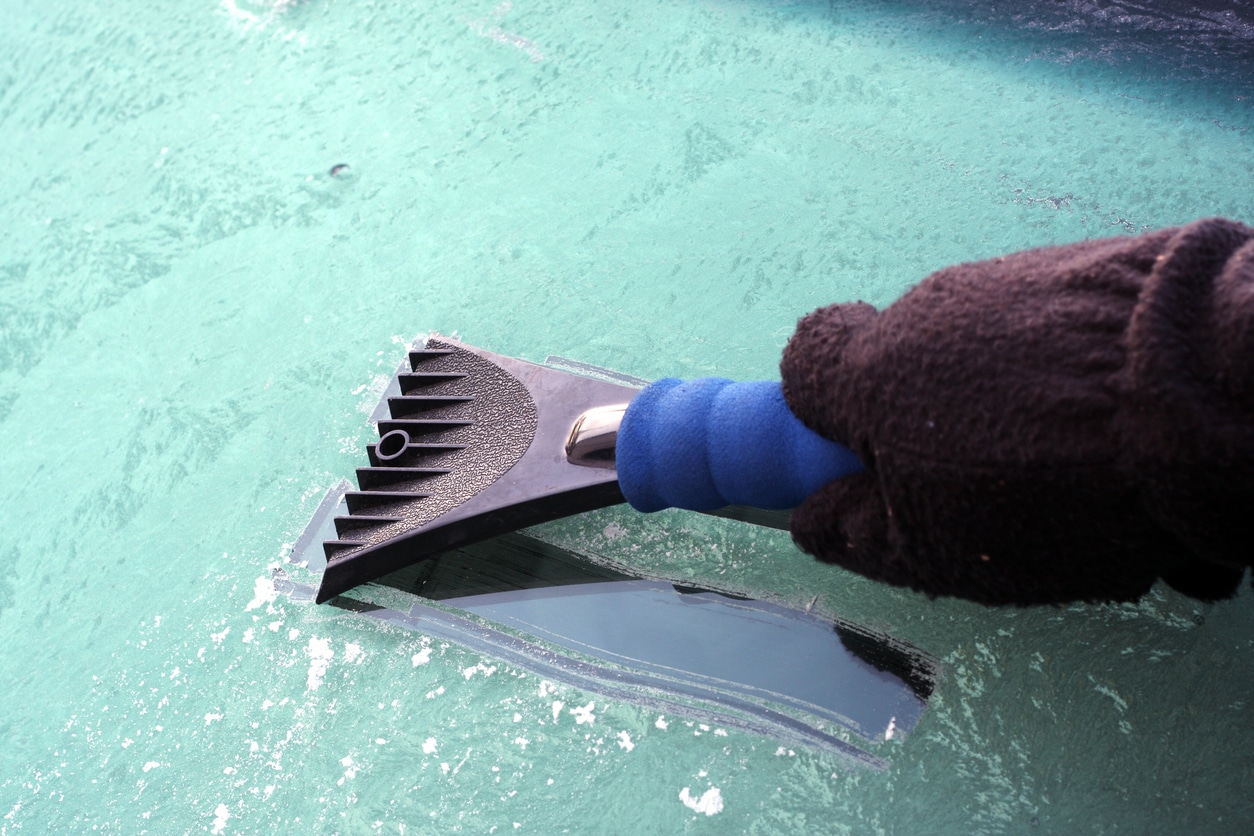
Purchase a high-quality scraper


When you use a low-quality scraper on your windows, it can inflict more damage and prove to be an insufficient method to garner more visibility during a winter storm. Using a low-quality windshield scraper will scratch both your windshield and the tint installed, and such damages will want to be avoided come wintertime. Because of this, purchasing a high-quality scraper is necessary to effectively remove anything obstructing your visibility to protect your window tint from scratches and tears. 

Maintain temperature

It is advised to maintain an even temperature to protect the glass and tint from deterioration. It is recommended not to utilize boiling water to thaw a freezing windshield as it can crack the windshield and completely ruin the tint installed. Instead, gently heat your car and then scrape off the ice when it begins to melt significantly. 

Keeping the glass clean

It’s always essential to keep the glass clean and gleaning, and it’s just as important to keep your window tint and windshields consistently cleaned during winter. To avoid potential scratches and damages and improve visibility during winter storms, keep your windshield and tint as clean as often as possible.

Be sure to know how to carefully and successfully maintain your window tint Calgary during the blistering winter months. 

With over 15 years of experience, Pro Window Tinting is proud to offer high-end automotive window tinting in Calgary. We only use 3M window tint films for the best possible results. We provide same-day service when you come into our location, as well as mobile services for the most convenient experience. For added protection, increased privacy and a sleek new look, choose 3M window tinting with Calgary Pro Window Tinting. There are multiple packages to choose from, so you can find a window tinting package that is affordable and meets your needs. Give us a call at (587) 324-1993 today and improve the overall appeal of your vehicle with the best window tint in Calgary.

Rustproofing your car is crucial to protect its lifespan and quality. From the underbelly of your vehicle to your 3M paint protection, you have to take the initiative and ensure that your vehicle is protected against the damaging effects of rust. 

The question that arises is how often should you rustproof your vehicle? 

Learn more about our ceramic coating for rust prevention.

Before we get to that, let’s consider how rust forms and the types of protection you can get for your vehicle. 

Why Do Cars Rust? 

For details, see our paint protection film.

We touched on this in a previous blog post (“What Is Undercoating & Rust Proofing?”), but we’ll go through a quick overview one more time. 

In layman’s terms, rust occurs on vehicles when oxygen and iron come in contact and begin an oxidation process. This ultimately results in rust developing. 

See our book an undercoating appointment for the full breakdown.

Exposure to water, snow and humidity can speed this process up, which is why rust tends to occur to vehicles with damaged parts during the winter. 

How To Protect Your Vehicle Against Rust 

There are a few ways in which you can protect your vehicle against rust developing. Consider the following tips below: 

Invest in Rust Proofing Coating 

  • Rust proofing coating helps protect your vehicle panels and wheel wells from rusting. It should be your first line of defence. Select from multiple options, including 3M Rustproofing

Get Panel Repairs ASAP

  • If there are damages, dents or scratches to your vehicle, then get them repaired as soon as possible. The longer you leave the dent, the more the rust can develop, causing more extensive and expensive repairs down the line. 
Rust on the body of the car. A view of the saeredi. Red. Fragment of the wheel.

Wash & Clean It 

  • It’s best to wash and wax your car every two weeks to prevent rust from developing. The more often you wash your vehicle, the less likely it will develop the wetness that can create rust. This is especially important during the winter months. 

Invest in Undercoating 

  • Undercoating is the process of covering the bottom of your vehicle, preventing rust developing in the process. You can choose from numerous options and brands, including 3M Undercoating

When Should I Rust Proof My Car? 

Now that you know why rust occurs and how you stop it, you now can know that you should implement rust proofing in your vehicle once a year. 

Ideally, it’s best to do this at the start of the winter months, so you can safeguard it against the most turbulent time of the year. At the same time, you should double-check it again at the end of the season. That way, you can see if your vehicle had any exposure to rust during the winter. 

If you have not started rust proofing your car, then now is the time to do it. The longer you leave it, the higher the damages and dangers you can experience.  

Be sure to treat your vehicle right by contacting the experts at Calgary Paint Protection Film. You can always expect friendly and prompt service. We work around your schedule to provide maximum convenience. Keep your car looking like new, the easy way! Phone: 587-324-1993

When you have a beautiful vehicle, protecting it becomes a serious priority. More than that, it almost becomes a duty. A duty to your prestige and style, of course, but also a duty to the manufacturer of the automobile. Protecting their hard work and ensuring your vehicle looks like it just came off the lot is rewarding and enjoyable.

Plus, there are lots of ways to protect your car. Specialty cleaning products, seat covers, after-market modifications for durability and much more are available to make the most out of your vehicle. Among these excellent offerings is an established and fantastic protection product, namely, paint protection film

Visit our paint protection film page to learn more.

Why are we talking about paint protection film and protecting your vehicle? Because we are currently in the midst of the most dangerous season for vehicles; the winter months. During these months, salt, rocks and other road debris become numerous and can cause significant damage to your vehicle just driving around.

Specialist pasting car with vinyl film

Though, it isn’t only the flying debris that poses a threat. No, there is also the road itself. When roads get icy, they get slippery. This can increase the likelihood of your vehicle skidding or sliding, which may lead to disastrous consequences and body damage. With all of these hazards potentially affecting your vehicle, it begins to make sense why so many car protection products exist. 

See our ceramic coating protection for the full breakdown.

Isn’t Paint Protection Film Just for the Hood of Vehicles?

This is a common misconception with the paint protection film. Sure, it acts as a durable and steadfast defence on the hoods of vehicles, but there are many other places on the exterior of your vehicle where it may provide protection—for example, the accents and edges of your doors. With the right application of paint protection film in these locations, those stubborn chips and localized rust spots can become a thing of the past. 

Learn more about our vehicle undercoating.

In fact, you can cover the entire front portion of your vehicle in a protective film. If you have a custom paint job or just care about your vehicle, this can be the best option available. For a full list of your options, contact us today!

There can be shortcuts when it comes to protecting your vehicle and ensuring you have the right defence for all scenarios. This is especially true in the winter months when potential hazards skyrocket and your vehicle is most at risk of developing exterior damage. 

Be sure to treat your vehicle right by contacting the experts at Calgary Paint Protection Film. You can always expect friendly and prompt service. We work around your schedule to provide maximum convenience. Keep your car looking like new, the easy way! Phone: 587-324-1993

Spring is one of the best times of year. The snow melts, the trees turn green again, and the days grow warmer with each passing day. However, there are also some drawbacks to this season which include: mud, road salt, dirt, and muck. This can have a detrimental effect on many things including your vehicle. Hopefully, though, you have made the right choice and put paint protective film on your car. This will help prevent your paint from being damaged or losing its lustre, but there are a few things you can do to make the paint protection film even more durable.

Regular Inspections On Your Paint Protection Film

This is the easiest task to perform yourself. Take a walk around your vehicle every so often and pay close inspection to the areas that have had the protective film applied. Do you see any minor blemishes, or has it started to peel away at the edges? Usually, this won’t be the case because of the protective film’s ability to self-heal, but over time eventually, all things will require some amount of repair.

See An Authorized Paint Protection Film Applicator

Don’t fret though! If these issues are apparent, any qualified paint protection film applicator will be happy to take a look. It may be that only a minor touchup is required, or the damage hasn’t penetrated all of the way through the film. Just bringing it into the shop should be enough for you to access the qualified professionals expertise, and they will inform you of what, if any, repairs are required. 

See our detailed care instructions for the full breakdown.

Learn more about our PPF services in Calgary.

Paint Protection Film Calgary

Make Regular Visits To A Calgary Paint Protection Professional

However, when paying regular attention to the finer details of your paint protective film, you should be able to notice any changes to the film layer. Usually these minor issues are a result of driving too closely behind other vehicles on the road, or staying too close to the edge of the curb lane. Both of these bring undue amounts of debris close to your vehicle, so take your time and drive safely for the benefit of yourself and the benefit of your paint protective film. 

Be sure to treat your vehicle right by contacting the experts at Calgary Paint Protection Film. You can always expect friendly and prompt service. We work around your schedule to provide maximum convenience. Keep your car looking like new, the easy way! Phone: 587-324-1993.

Now that we are in December and winter has finally engulfed us, you have to take extra precautions with your vehicle. The exterior of your car is going to go through a lot during winter, including freezing weather, dirt, rocks and gravel, hard salt, mud and much more.

So to ensure that your vehicle is protected during the wintertime, it is a smart idea to install paint protection film in Calgary. You might be wondering: how does this help? If you keep reading this blog, you can see the advantages of getting paint protection film in Calgary this winter. 

Check out our paint protection film in Calgary for more information.

4 Reasons To Get Paint Protection Film For Winter 

1- It helps protect against all marks, scratches, and dents

As we mentioned above, your vehicle is going to be exposed to a lot of debris (dirt, rocks and gravel, hard salt, and mud) that can damage the paint of your vehicle. But with a thin coat of paint protection, your vehicle will be protected throughout winter against any of these external forces. 

You can explore our undercoating for winter protection page for specifics.

2- Protects against temperature changes in winter 

There is no doubt that your vehicle is going to go through a lot of temperature changes in winter, and a paint protection film can help with that. It will protect your paint against any changes in temperature, so it does not damage in either extreme warmth (like washing your car) or extreme cold (when we hit those -30s). 

paint protection

3- The paint will be as good as new in springtime 

Not only is 3M paint protection film (the recommended choice for your vehicle) utterly invisible to the human eye, but when applied on your car provides full protection to the original paint. Come springtime; your vehicle will look as good as new. 

4- A smart investment

It is not overly expensive to get paint protection film in Calgary. When you consider the costs of paint repairs to the exterior to your vehicle, it is a wise investment to get paint protection film. From anywhere between $300 to $800, you can ensure your vehicle is protected and that you won’t have to pay for repairs down the line. 

Don’t miss out on the chance to provide your vehicle with extra protection this winter by getting paint protection film, especially 3M paint protection film. It can make a huge difference to your vehicle and ensure your car is perfect coming springtime. 

Be sure to treat your vehicle right by contacting the experts at Calgary Paint Protection Film. You can always expect friendly and prompt service. We work around your schedule to provide maximum convenience. Keep your car looking like new, the easy way! Phone: 587-324-1993.