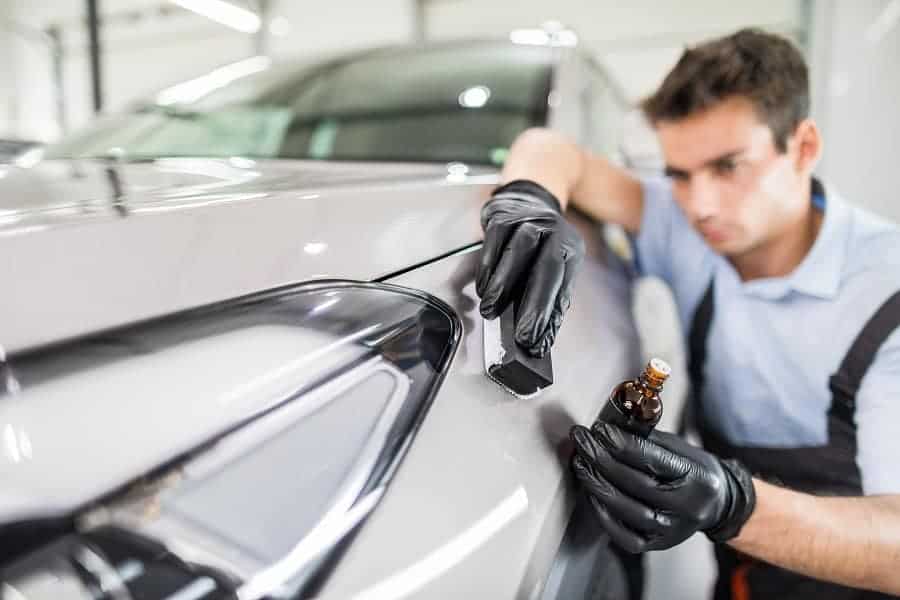
Walk into any car care discussion and you’ll inevitably hear debates about ceramic coatings versus wax, with sealants mentioned as some kind of middle ground. The terminology gets tangled, marketing claims don’t help, and the actual differences matter way more than the catchy brand names. Let’s break down what you’re actually buying when you choose one protection method over another.

Traditional car wax is fundamentally an organic product. It’s made from carnauba wax, paraffin, or synthetic polymers that coat the paint surface. The primary function is to add gloss and water beading, making your car look better and making water roll off rather than spot. The protection aspect is secondary. Wax doesn’t actually prevent paint damage from UV exposure, salt, or chemical contaminants—it just sits on top of your clear coat and makes water behavior prettier. This is why car wax has been the standard for decades: it makes cars look amazing, and that sells. The downside is durability. Most car waxes last 4 to 8 weeks before UV exposure and weathering break down the organic compounds and the beading effect disappears.

Synthetic sealants represented an attempt to improve on wax durability. These are polymer-based products that create a slightly harder, more durable coating than organic wax. A good synthetic sealant can last 4 to 6 months, which is significantly longer than wax. They still primarily enhance gloss and water behavior, but they’re more resistant to UV degradation and chemical attack than organic waxes. They’re also more forgiving to apply and less prone to streaking. For decades, synthetic sealants were genuinely the sweet spot for DIY enthusiasts—better durability than wax without the hassle of more complex products.

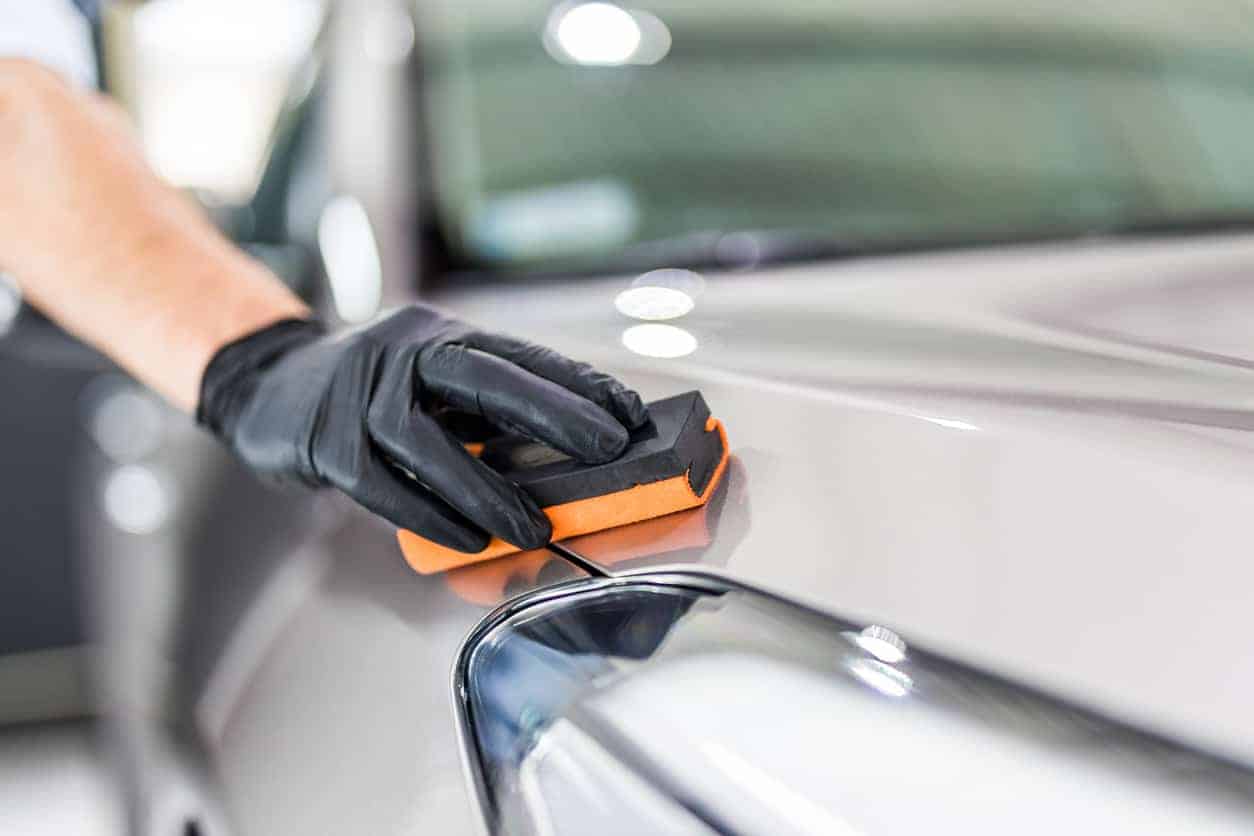
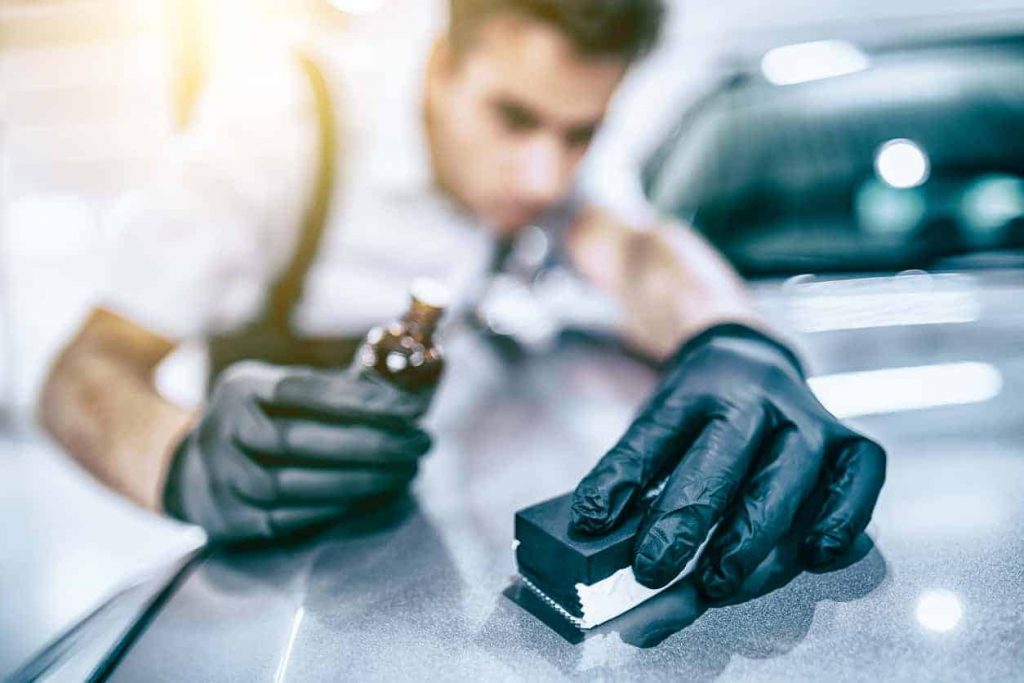
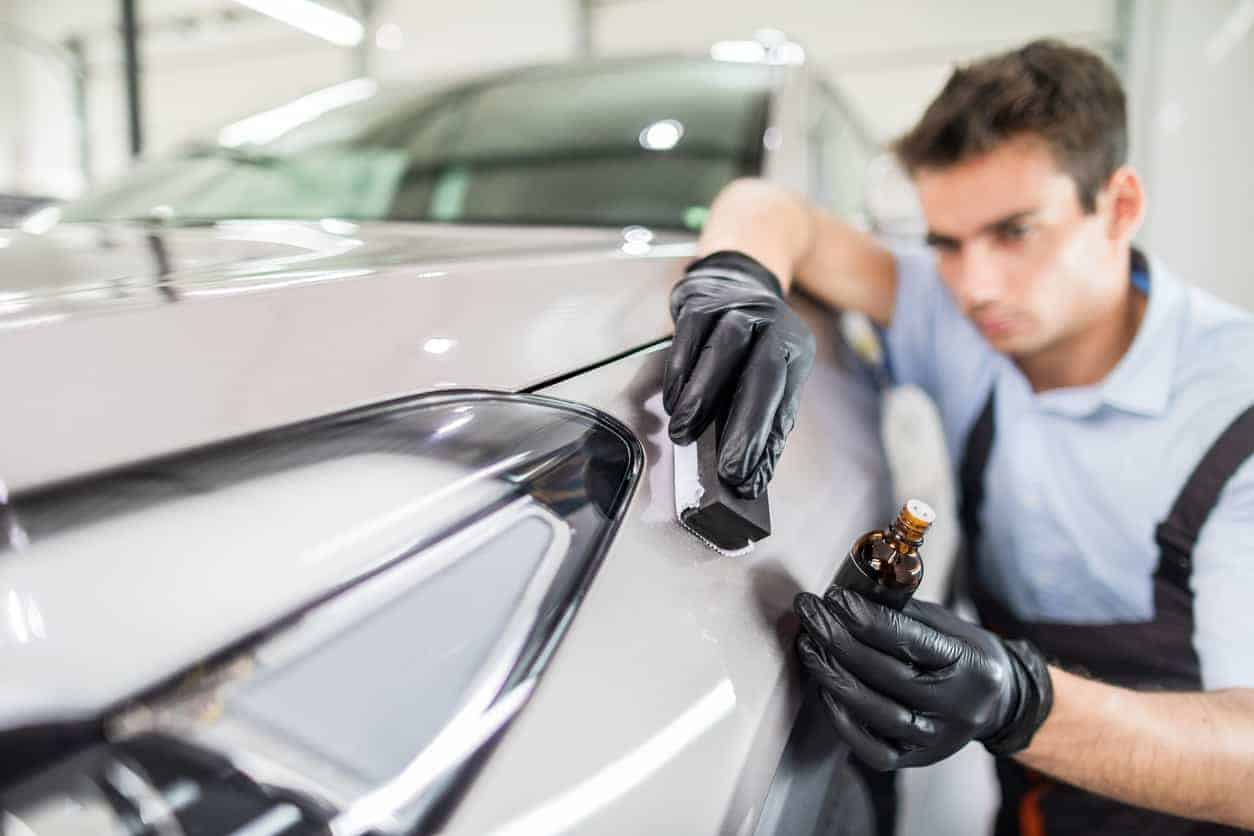
Ceramic coatings are a fundamentally different technology. Rather than sitting on top of the clear coat, a ceramic coating forms a chemical bond with the paint surface. The product is typically a suspension of ceramic nanoparticles in a solvent. When applied, the solvent evaporates and the ceramic particles bond to the paint at a microscopic level, creating a new surface layer that becomes part of the protective structure. This is a genuine material change, not just a layer on top.

The difference in durability is substantial. A properly cured ceramic coating can last 2 to 5 years depending on the product and environmental exposure. We’re talking multiple years, not multiple months. The reason is fundamental: the ceramic layer doesn’t simply wear away like a wax coating. The nanoparticle structure provides UV protection, chemical resistance, and hardness that far exceeds what wax or synthetic sealants can achieve. The ceramic bonds chemically to your clear coat, so it only disappears through the clear coat itself failing or through actual physical abrasion that removes the coating.

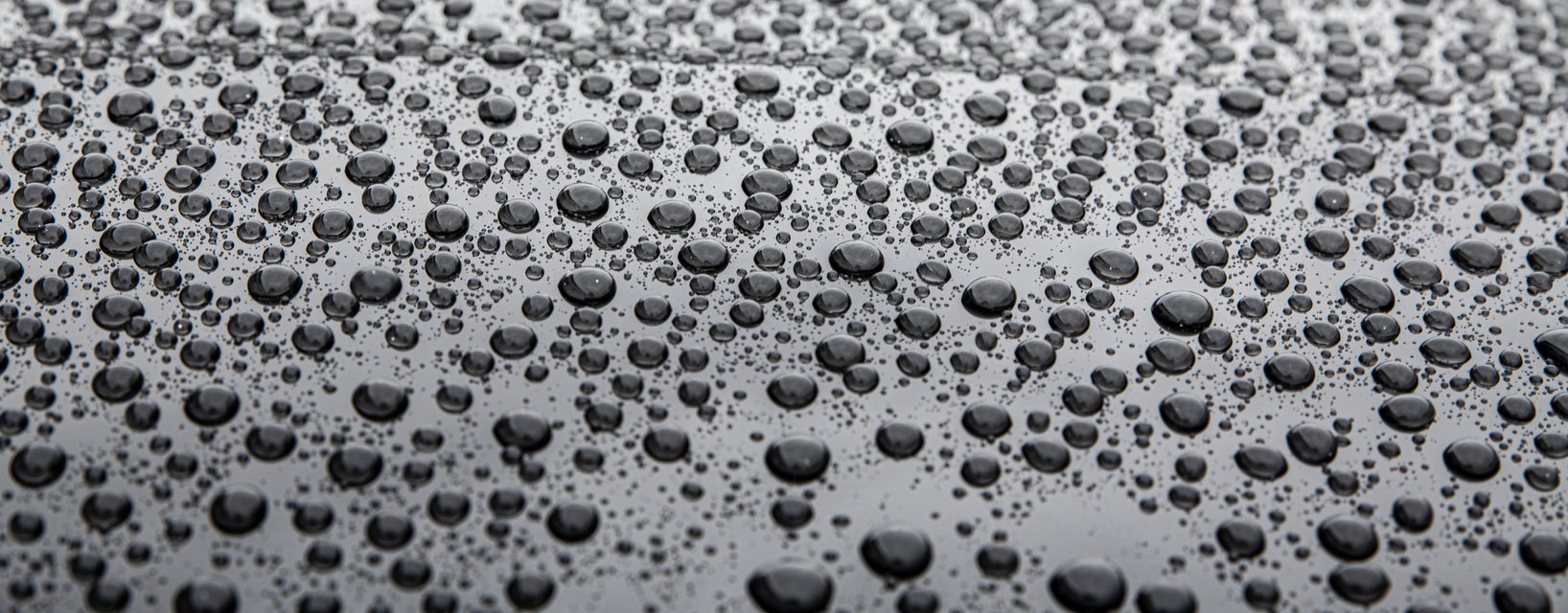
The hydrophobic effect—water beading—is superior with ceramic coatings, though for a different reason than wax. Wax makes water bead by reducing surface tension and creating a waxy barrier. Ceramic coatings bead water because the nanoparticle structure creates extreme surface irregularity at the microscopic level. Water molecules can’t fully contact the surface, so they bead and roll off. This hydrophobic effect on a ceramic coating can last years because the underlying structure is stable, unlike wax which needs reapplication as it oxidizes and breaks down.

Chemical resistance is where ceramics really pull ahead. Paint protection film excels at physical impact protection, and wax/sealants barely address chemical issues. But ceramic coatings provide genuine chemical resistance. Bird droppings, tree sap, road salt, industrial fallout, and brake dust are less likely to bond to or damage your paint through a ceramic coating. The hard nanoparticle layer prevents these contaminants from reaching the clear coat underneath. This is particularly valuable in Calgary, where road salt exposure is severe during winter months and industrial fallout can accumulate on vehicles exposed in certain areas.

UV protection differs between the products. Wax provides minimal UV protection—mainly just by being opaque. Ceramic coatings, especially formulations like 3M Ceramic IR, specifically include UV-blocking components that prevent clear coat degradation. The ceramic layer itself scatters and absorbs UV radiation before it reaches the paint. Over multiple years, this prevents the fade and oxidation that would otherwise occur. For vehicles in Colorado-level elevations like Calgary, where the sun is intense year-round, this matters.

There are real trade-offs to ceramic coatings. The application process is more demanding. You need to properly prepare the paint surface before application—dirt, tar, and contaminants must be removed. The surface should be clay barred and potentially polished to ensure maximum adhesion. The coating then needs 24-48 hours to fully cure before the vehicle is driven. For a professional installation, this is fine. For DIY application, it’s demanding. The cost is higher upfront—professional ceramic coating installation can run several hundred dollars depending on the product and vehicle size. But amortized over the 2-5 year lifespan, the cost per year is often lower than repeatedly applying wax or sealants.

Ceramic coatings also change how you maintain your vehicle. You can’t use harsh polishing compounds or aggressive abrasive treatments without potentially damaging the coating. Maintenance should focus on gentle washing and pH-neutral soaps rather than harsh degreasers. If you’re the type to detail your car aggressively, ceramic coating requires a mindset shift.

Water spotting is another consideration. Even though ceramic coatings excel at water beading, mineral-laden water can still leave spots if it’s not dried properly. The difference is that spots on a ceramic-coated vehicle are less likely to have caused subsurface damage because the ceramic layer prevented water and minerals from etching into the clear coat. With unprotected paint, mineral water spots can actually damage the clear coat. With ceramic, they’re primarily aesthetic.

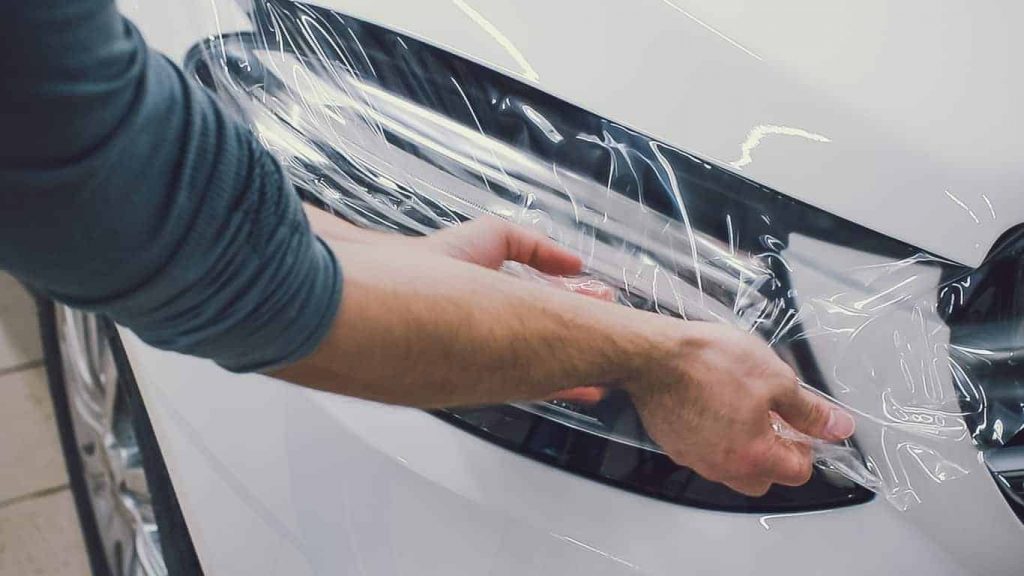
So how do these technologies work together? This is where professional protection strategies come in. Paint protection film provides mechanical impact protection for high-risk areas—the hood, bumpers, and mirrors. A ceramic coating then protects the rest of the painted surfaces and actually coats over the edge of the PPF, providing additional protection and ensuring the edge doesn’t yellow or degrade. This combination is genuinely more protective than either technology alone. The PPF handles rocks and road debris. The ceramic handles UV, chemicals, and contamination. On a vehicle in Calgary that experiences intense sun, temperature swings, and heavy road salt exposure, this combination pays dividends.

For vehicles in showroom condition or rarely driven, traditional wax remains perfectly adequate. For daily drivers that care about long-term paint health and want minimal maintenance hassle, ceramic coatings make genuine sense. The chemistry behind them is sound, the durability is real, and the protective benefit in harsh climates like Calgary is measurable. The marketing hype has been excessive, but beneath that hype is legitimate material science that delivers what it promises.

For vehicle owners across Calgary and Alberta, protecting your investment against the province’s harsh climate conditions is essential. Whether you’re in Airdrie, Cochrane, Okotoks, or Chestermere, our team at Calgary Paint Protection Film provides expert installation services backed by 3M certification.

Ready to Protect Your Vehicle?

Calgary Paint Protection Film is Calgary’s authorized 3M dealer. Get a free quote on professional installation.
Get Your Free Quote

Ceramic coating prices in Calgary range from $500 for a basic single-layer application to $2,500+ for a multi-layer professional coating with paint correction. The wide range comes down to the product used, how much prep work your paint needs, and the size of your vehicle.

At Calgary PPF, we use professional-grade 9H ceramic coatings from 3M that require certified application. Here’s what drives the cost and what you should expect when shopping for ceramic coating in Calgary.

For details, see our ceramic coating in Calgary.

What Determines Ceramic Coating Price?

The biggest factor in ceramic coating cost is paint preparation. A brand-new vehicle with perfect paint might need only a light decontamination before coating. A daily driver with a few years of wear will likely need single-stage or multi-stage paint correction to remove swirl marks, scratches, and oxidation before the coating goes on.

Check out our our pricing guide for more information.

Think of it this way: ceramic coating locks in whatever condition your paint is in. If you coat over swirl marks, those swirl marks are now preserved under the coating. That’s why professional shops invest significant time in paint correction before applying the coating. It’s not just a cost add-on; it’s what makes the difference between a good result and a great one.

Calgary Ceramic Coating Price Ranges

For a sedan or small SUV in Calgary, expect the following general ranges. Entry-level packages with a single-layer coating and basic decontamination typically run between $500 and $800. Mid-range packages with single-stage paint correction and a two-layer coating fall in the $1,000 to $1,500 range. Premium packages with multi-stage paint correction and multi-layer coating with a top coat start at $1,500 and go up to $2,500 or more.

Larger vehicles like full-size trucks and SUVs will be at the higher end of each range due to the additional surface area. Specialty vehicles, exotic cars, or vehicles with severe paint damage requiring extensive correction will also cost more.

Why Cheap Ceramic Coating Usually Costs More Long-Term

You’ll find shops in Calgary advertising ceramic coating for $200 to $300. Be cautious with these offers. At that price point, you’re typically getting a consumer-grade sealant marketed as ceramic coating, minimal or no paint correction, a single thin layer with limited durability, and no warranty or follow-up support.

These budget coatings often last only 6 to 12 months, meaning you’ll pay for reapplication multiple times over the same period that a professional coating would still be performing. Over a 5-year span, a $300 annual recoat costs you $1,500 with inferior protection, while a $1,500 professional coating applied once provides superior protection the entire time.

Ceramic Coating vs. PPF: Where to Spend Your Budget

If your budget is limited, consider where you’ll get the most value. Ceramic coating protects against chemical damage, UV, and makes cleaning easier, but it doesn’t protect against rock chips or physical impacts. Paint protection film handles the physical protection. Many of our Calgary clients start with PPF on the front end where rock chips are most common, then add ceramic coating over the entire vehicle including on top of the PPF for chemical and UV protection.

This combination approach often provides better overall protection than either product alone, and we offer package pricing that makes the combination more accessible than purchasing each service separately.

What’s Included in a Professional Ceramic Coating Service?

When you bring your vehicle to Calgary PPF for ceramic coating, the process includes a thorough hand wash and decontamination using clay bar treatment, paint correction to the level your vehicle needs, panel wipe with IPA solution to ensure a clean bonding surface, ceramic coating application in a controlled dust-free environment, infrared curing to ensure proper bonding, and a quality inspection under specialized lighting.

The entire process takes 1 to 3 days depending on the level of paint correction needed. We don’t rush the process because proper preparation and application are what determine how long your coating lasts and how good it looks.

Get a Quote for Your Vehicle

Every vehicle is different, and the best way to get an accurate price is to bring your vehicle in for a free assessment. We’ll evaluate your paint condition, discuss your goals, and provide a detailed quote with no obligation. Contact Calgary PPF today or call us at (587) 324-1993 to schedule your consultation.

If you’re considering ceramic coating for your vehicle in Calgary, the first question on your mind is probably: how long will it actually last? The short answer is 2 to 7+ years, but the real answer depends on several factors specific to Calgary’s climate and how you maintain it.

At Calgary PPF, we apply professional-grade 9H ceramic coatings that are designed to withstand Alberta’s extreme temperature swings, UV exposure, and road salt. Here’s what you need to know about ceramic coating longevity in our city.

See our professional ceramic coating for the full breakdown.

What Affects Ceramic Coating Durability in Calgary?

Calgary’s climate is uniquely challenging for any paint protection product. Winter temperatures regularly drop below -30°C, while summer highs can push past 35°C. That 65-degree temperature range puts constant stress on coatings. Add in the chinook winds that cause rapid freeze-thaw cycles, and you have one of the toughest environments in North America for automotive coatings.

The main factors that determine how long your ceramic coating will last include the grade of coating applied, surface preparation quality, your washing habits, and exposure to environmental contaminants. Professional-grade coatings (9H hardness) applied after proper paint correction will always outlast consumer-grade products applied over swirl marks and contamination.

Learn more about our ceramic coating care guide.

Professional 9H Coating vs. Consumer-Grade Products

There’s a significant difference between the ceramic coatings you can buy at Canadian Tire and what we apply at our shop. Professional 9H coatings like 3M Pro Series create a chemical bond with your clear coat that’s measured in years, not months. Consumer spray-on products typically last 3 to 6 months before they need reapplication.

Professional coatings achieve their durability through a multi-layer application process. We apply the coating in controlled conditions after a multi-stage paint correction, ensuring the surface is completely clean and free of defects. This preparation is what separates a coating that lasts 18 months from one that lasts 5+ years.

Calgary Winter and Your Ceramic Coating

One of the biggest concerns Calgary vehicle owners have is how ceramic coating handles winter. The good news is that a properly applied ceramic coating actually performs exceptionally well in cold conditions. The hydrophobic properties mean snow and ice have less surface area to bond with, making removal easier and reducing the risk of scratching during clearing.

Road salt is the real enemy. Calgary uses a mix of salt and gravel on winter roads, and this cocktail is brutal on unprotected paint. Ceramic coating creates a sacrificial barrier that takes the chemical abuse instead of your clear coat. However, you still need to wash your vehicle regularly throughout winter. We recommend a touchless wash every two weeks during salt season to keep the coating performing at its best.

Maintenance Tips to Maximize Coating Life

The way you wash and maintain your vehicle has a direct impact on coating longevity. Here are the key habits that will help your ceramic coating last as long as possible in Calgary’s climate.

Use the two-bucket wash method or a touchless wash system. Avoid automatic car washes with brushes, as they create micro-scratches that degrade the coating over time. Use pH-neutral car wash soap and avoid dish soap or household cleaners. Apply a ceramic coating maintenance spray every 3 to 4 months as a booster layer. Park in a garage whenever possible to reduce UV exposure and temperature cycling.

When to Recoat

You’ll know your ceramic coating is starting to wear when water no longer beads tightly on the surface. Fresh ceramic coating creates tight, round water beads that roll off quickly. As the coating degrades, water starts to sheet rather than bead, and you’ll notice contaminants sticking more easily.

At Calgary PPF, we offer maintenance inspections where we assess your coating’s condition and can apply a refresh layer if needed. Most of our clients get 3 to 5 years before needing any significant touch-up, with some coatings lasting 7+ years with excellent maintenance.

Is Ceramic Coating Worth It in Calgary?

Given Calgary’s harsh climate, ceramic coating is one of the best investments you can make for your vehicle’s appearance and resale value. The cost of a professional coating pays for itself by reducing paint damage from salt, UV, and environmental fallout. Combined with PPF on high-impact areas, you get comprehensive protection that keeps your vehicle looking new for years.

Ready to protect your vehicle? Contact Calgary PPF for a free consultation and quote on professional ceramic coating. We’re a certified 3M Pro Shop Dealer serving all of Calgary and surrounding areas.

PPF and ceramic coating are frequently mentioned together in the automotive protection world, and they’re often confused for the same thing. They’re not. They do very different things, they solve different problems, and the best outcome for most vehicles is using both — in the right order, for the right reasons. Here’s how they compare.

What Paint Protection Film Does

PPF is a physical barrier. It’s a clear, flexible urethane film — typically 6 to 8 mil thick — that bonds to your paint and absorbs mechanical impact. When a rock chip would have hit your hood, it hits the film instead. The film takes the damage; your paint doesn’t.

Learn more about our PPF installation in Calgary.

Modern PPF is self-healing: minor surface scratches disappear with heat exposure. It protects against chips, stone impacts, road debris, light abrasions, and minor scuffs from brushes and branches. It does NOT provide a significant hydrophobic (water-repelling) effect on its own, and it doesn’t protect against chemical etching from bird droppings or tree sap at the same level as ceramic coating.

For details, see our ceramic coating services.

PPF is applied to specific zones — typically the leading edges of your vehicle that face the road: hood, bumper, fenders, A-pillars, mirrors, and rocker panels for a full-front package, or full body for complete coverage.

What Ceramic Coating Does

Ceramic coating is a chemical protection layer. A nano-ceramic compound bonds to your paint at a molecular level, forming a semi-permanent, extremely hydrophobic surface. Water beads and rolls off. Dirt, bird droppings, road salt, and tree sap have significantly less ability to bond to your paint.

Ceramic coating does NOT provide meaningful protection against rock chips or physical impact. It’s not a physical barrier — it’s a very thin chemical layer. A stone at highway speed will chip through ceramic coating the same as it would through bare paint. What ceramic excels at is keeping your vehicle cleaner, making it easier to wash, and providing UV protection and gloss enhancement across the entire painted surface.

Ceramic coating is typically applied across the entire vehicle — hood, roof, doors, trunk, bumpers — providing a uniform protective layer everywhere.

Head-to-Head: PPF vs Ceramic Coating

Protection Type PPF Ceramic Coating
Rock chips and road debris ✓ Yes ✗ No
Hydrophobic / self-cleaning Partial ✓ Yes
UV protection ✓ Yes ✓ Yes
Bird droppings / chemical etching Some ✓ Yes
Self-healing scratches ✓ Yes ✗ No
Gloss enhancement Neutral ✓ Yes
Coverage area Targeted zones Full vehicle
Typical lifespan 7–10 years 3–5 years
Starting cost in Calgary From $349 From $699

Using Both Together: The Best of Both Worlds

The most complete protection strategy is PPF on high-impact zones with ceramic coating applied over the PPF and across the rest of the vehicle. This gives you:

  • Physical chip protection on the bumper, hood, and fenders (from PPF)
  • Hydrophobic, easy-clean properties across every surface (from ceramic)
  • The ceramic actually bonds to the PPF, extending the film’s surface life
  • Full UV protection on every painted panel

When done in sequence — PPF first, ceramic over top and across the rest — the result is comprehensive protection that neither product provides alone. This combination is what we most commonly recommend for new vehicle purchases in Calgary.

Which Should You Choose?

If your primary concern is rock chips and road damage (common for highway commuters on the QE2 or Macleod Trail), start with PPF on the front. If your primary concern is keeping the vehicle clean, maintaining gloss, and protecting against Calgary’s road salt and bird droppings, ceramic coating alone can be a cost-effective solution for lower-mileage or garaged vehicles. If you want the best long-term protection, do both.

Talk to a Certified Installer

Calgary PPF is a Certified 3M Pro Shop installing 3M PPF and professional-grade ceramic coatings. We work with every type of vehicle and every budget — from a partial hood PPF to a full-body PPF plus ceramic combination. Book a consultation and we’ll give you an honest recommendation based on your vehicle, your driving habits, and your goals.

If you’ve recently purchased a new vehicle in Calgary, you’ve likely heard two terms thrown around when it comes to paint protection: paint protection film (PPF) and ceramic coating. Both are excellent products, but they do very different things. Understanding the difference will help you decide which is right for your vehicle — or whether you should use both.

What Is Paint Protection Film?

Paint protection film (also called PPF or clear bra) is a thick, thermoplastic urethane film that is physically applied to your vehicle’s painted surfaces. It acts as a sacrificial barrier between your paint and the road, absorbing stone chips, scratches, and road debris before they reach the paint.

You can explore our professional PPF installation in Calgary page for specifics.

Modern PPF films like XPEL Ultimate Plus, SunTek Ultra, and 3M Pro Series are self-healing — meaning minor scratches in the film surface disappear with heat (sunlight or warm water). They carry 10-year warranties and are virtually invisible once installed by an experienced technician.

What Is Ceramic Coating?

Ceramic coating is a liquid polymer that chemically bonds to your vehicle’s paint surface, creating a hard, hydrophobic layer. It makes water bead and roll off, repels dirt and contaminants, and gives your paint a deep, glossy appearance. Ceramic coating does not prevent stone chips or physical impact damage — it is primarily a surface protection and maintenance product.

Visit our ceramic coating services page to learn more.

PPF vs Ceramic Coating: Key Differences

FeaturePPFCeramic Coating
Stone chip protectionYes — absorbs impactNo
Scratch resistanceYes — self-healing filmMinor only
Hydrophobic (water beading)Yes (on quality films)Yes — superior
Gloss enhancementModerateHigh
Durability10+ years3–7 years
CostHigherLower
Best forHigh-impact areasOverall paint maintenance

Which Is Right for Calgary Drivers?

Calgary’s road conditions make this decision relatively straightforward. The city’s extensive road construction, highway gravel, and aggressive winter road treatment with sand and salt create a high stone chip environment. PPF is the only product that actually prevents chips and scratches from reaching your paint.

That said, many Calgary vehicle owners choose to do both: PPF on the high-impact areas (hood, front bumper, fenders, mirrors, rocker panels) and ceramic coating over the entire vehicle including over the PPF. This combination gives you the best of both worlds — physical impact protection and easy-clean hydrophobic properties.

See our PPF and ceramic coating bundle for the full breakdown.

Cost Comparison in Calgary

A partial front PPF package (hood, bumper, fenders) typically starts around $1,200–$1,500 in Calgary. A full vehicle ceramic coating runs $800–$2,500 depending on paint condition and coating tier. The combined package — PPF plus ceramic coating — is the most comprehensive option for new vehicle owners who want long-term protection.

The Bottom Line

If you only want one product, choose PPF for impact protection or ceramic coating for easier maintenance. If your vehicle is new and you plan to keep it for several years, investing in both is the smartest long-term decision for preserving its appearance and resale value.

Calgary PPF offers both PPF and ceramic coating services at our Chinook Centre and Deerfoot City locations. Contact us for a free quote today.

When it comes to the care of your car, it’s normal to want to make decisions that will benefit its appearance. If you’re going to be spending money on its detailing and protection, it only makes sense that you want to go with the option that will best serve your vehicle.

When it comes to maintaining the body of your car, there are several options to select from. However, the two most popular choices are paint protection film and ceramic coating. But which one should you go with? Let’s take a look at what each one offers.

For details, see our ceramic coating services.

Learn more about our paint protection film details.


Understanding Paint Protection Film and Ceramic Coating


Paint Protection Film

Paint protection film is an invisible coat of polyurethane material that is applied to the exterior of your vehicle. 3M paint protection film, for example, is a popular choice when it comes to protecting your car. The goal of PPF is to preserve the quality of your car’s paint by reducing the risk of damage from such things as rocks and debris from the road, swirl marks that are a result of washing, and hard water spots from mineral deposits.


Ceramic Coating

A ceramic coating, meanwhile, is a liquid polymer that chemically bonds with your vehicle’s paint, thus offering it a layer of protection and a hydrophobic surface. These hydrophobic properties will make it more difficult for debris to stick to your car, allowing it to stay cleaner for longer. It also helps make your car easier to wash when the time comes.


Similarities

The similarities between these two options are fairly extensive, considering how different their compositions are. They both invisibly work to protect your car, particularly from oxidation from UV exposure and chemical stains and etch marks caused by acidic contaminants. This allows your car to look like a brand new car for much longer. 

Differences

Paint protection film is thicker than ceramic coatings. This allows it to essentially heal itself after being inflicted with a scratch or rock chip, therefore prolonging the physical structure of your car. In terms of choosing which option will provide long-term preservation, PPF is the way to go.

Ceramic coatings, however, are great for enhancing the day-to-day appearance. While it may not protect your car from dings and scrapes as well, it will keep it looking shiny and clean while also protecting the colour of the paint.

Ultimately, there is no wrong decision. How you hope to preserve your car and what you want out of a protective layer is completely up to you!

Be sure to treat your vehicle right by contacting the experts at Calgary Paint Protection Film. You can always expect friendly and prompt service. We work around your schedule to provide maximum convenience. Keep your car looking like new, the easy way! Phone: 587-324-1993

Ceramic car coating is one of the most popular options for owners wanting to protect their vehicles. Not only does it protect your vehicle from any external forces, prevent scratches and marks, but it also improves its appearance and colour. 

In this blog post, we take an in-depth look at ceramic coating for cars and why it is such an in-demand option. 

Visit our ceramic coating services in Calgary page to learn more.

What is Ceramic Car Coating in Calgary? 

Ceramic car coating – also known as Nano-Ceramic Coating – is a liquid polymer that is applied to the exterior of your vehicle. The coating chemically bonds with the vehicles’ paint, creating a strong barrier of protection. 

The coating is applied to your vehicle in multiple stages, before hardening into a glass-like substance on the surface. This super hard coat protects your vehicle from all exterior factors. 

It is considered an alternative option to 3M paint protection film, which offers similar levels of protection. 

See our paint protection film for the full breakdown.

(Read more about the benefits of ceramic tint right here!) 

What are the Benefits of Ceramic Car Coating? 

There are many advantages that come with investing in ceramic car coating. The most notable benefits include the following: 

  • Protects your vehicle’s exterior from deterioration, preventing dirt, dust, bugs, salt, and tar from sticking to your car’s paint. This is due to the hydrophobic effect of the coating, which allows dirt and water to roll off the surface. 
  • The coating reduces your need for extensive cleaning in the future. Maintaining your vehicle paint is easier than ever. You’ll save time and money on washing and waxing.
  • It educes costly repairs or damages due to the deep level of protection. You’ll save money as it is resistant to scratches, UV rays and temperatures.  
  • Protection from UV damage and oxidation, so your vehicle’s colour never fades. The coating retains the colour of our vehicle, never losing its original look or fading. It also enhances the gloss and shine of your vehicle’s colour. 
  • Creates a chemically resistant surface that rejects and is resistant to naturally acidic contaminants, such as salt and grime. 
  • Peace of mind for every weather condition, as it will retain its quality in all types of weather, including snow and hailstorms. 
  • It can be applied to all types of vehicles, including cars and trucks. 
  • Increases the value of your vehicle thanks to all the above-mentioned benefits. If you ever sell it (why would you?) you can fetch a fair price thanks to the coating. 

Invest in Ceramic Coating Today! 

When you considered the advantages of ceramic coating and how it can improve the quality and value of your vehicle, you can see why it’s a valuable option. 

When it comes to getting it applied to your vehicle, make sure you find reputable service providers that have experience in the job and offer warranties for their work – like the experts here at Calgary PPF

Contact us for more information about ceramic coating in Calgary, or read our page here! 

Be sure to treat your vehicle right by contacting the experts at Calgary Paint Protection Film. You can always expect friendly and prompt service. We work around your schedule to provide maximum convenience. Keep your car looking like new, the easy way! Phone: 587-324-1993.

The elements will inevitably damage your car. Heat, rain, wind, dirt and ice can wear away at your paint. Exposure to UV damage, scratches, and chemicals are also damaging to the paint. But this doesn’t mean that you can’t do anything to protect your car. 

In today’s age, you have the option to get a coating that gives your car a layer of protection, guaranteeing success and longevity for years to come. But what is the best type of coating out there for you? What is going to work for your vehicle? 

Without question, one of the best ways to protect your vehicle’s outer layer is to apply ceramic pro coating. Here is why. 

What is Ceramic Coating?

Ceramic coating is a liquid polymer or quartz that bonds with the paint already applied to your vehicle. While it may seem like another form of car wax due to the shine it gives your car, it’s more of a long term solution to protect the outer layer of your vehicle due to its durability. Think of it like an invisible barrier that coats the paint.

paint protection film

Ceramic coating helps repel water, blocks UV rays, prevents superficial scratches, and acts as a barrier against extreme heat. If you’ve just bought a new car or got a new paint job not too long ago, it may be a smart idea to get a ceramic coating job done. It will prevent trips to the body shop to buff up scratches on your car and remove the need to get a new paint job due to damage and fading.

How Much Does Ceramic Coating Cost?

But now we get to the point that a lot of people consider when it comes to their ceramic coating in Calgary. What does it cost? Unfortunately, there is no set price when it comes to ceramic coating rates, but there are several things to look for when it comes to ceramic coating.

Learn more about our view our pricing.

Firstly, head to a company that offers ceramic pro car coating in Calgary as they will provide you with multiple options. You will want to choose between liquid polymer and quartz. Quartz is the more expensive material because it does a better job of deflecting water and is more durable.

Then you have to think about how many coatings you want. The more coatings you get, the more significant layer of protection you’ll have for your paint. If you tend to park your car outside regularly, then it may be helpful to get extra layers due to prolonged exposure to the elements. However, if you tend to keep your vehicle in a garage, you’ll probably need fewer layers.

You will have to consider the make and model of your vehicle too. Some vehicles might cost more because of the design and size, as it will require more layers or more work. 

Finally, you have to look at the warranty when getting ceramic pro car coating in Calgary. The warranty will ensure that the coating stays on and protects your paint. If your paint still ends up peeling or discoloration despite the coating, the company will reapply the coating for free as long as you are within the warranty time period.

Average Cost Of Ceramic Coating a Vehicle Can Vary Quite a Bit

Because of all these factors, the average cost of the ceramic car coating can vary. You can expect to pay anywhere from $900 to $3,000 depending on the package. A warranty can either add to that cost or be included with the service depending on the company.

It comes down to how you use your car. It makes a lot of sense to get a more comprehensive package if you leave your car outside and/or go on off-road trips every weekend. Think about what kind of protection you’d need to make a final decision on the level of protection you want.

Be sure to treat your vehicle right by contacting the experts at Calgary Paint Protection Film. You can always expect friendly and prompt service. We work around your schedule to provide maximum convenience. Keep your car looking like new, the easy way! Phone: 587-324-1993.

See Prices

When it comes to protecting the exterior of your vehicle, car owners usually find themselves choosing between ceramic coating and paint protection film in Calgary. While both provide you with layers of protection, they are different in specific ways too. 

What Is Paint Protection Film In Calgary? 

Made of a transparent urethane material, paint protection film is applied to the exterior of your vehicle like a sheet. The process is simple and effective, with the film being made up of thousands of different film sheets, ensuring its protection. There are many options available including, Suntek, Xpel and 3M paint protection film that can work for your vehicle. 

Visit our paint protection film services page to learn more.

What Is Ceramic Coating In Calgary? 

Just like paint protection film, the ceramic coating is applied to the exterior of the vehicles. The coating bonds with the vehicle’s factory paint, establishing a layer of protection with a hydrophobic surface. The hardening of the hydrophobic layers ensures that it is harder for damage to occur to the vehicle. 

How are Paint Protection Films & Ceramic Coatings Similar? 

Even though they are made of different materials, both ceramic coatings and paint protection films have similar attributes. 

See our PPF + ceramic coating combo for the full breakdown.

Both products are designed to protect your car’s paint for longer and to give it a layer of additional protection. At the same time, they are both reduce damage from UV exposure and any acidic contaminants. 

3m paint protection film calgary

Regardless of which product you choose, you will be adding value and protection to your vehicle. It is always a wise decision to get one or the other. 

How are Paint Protection Films & Ceramic Coatings Different? 

Despite the similarities, ceramic coatings and paint protection films are very different in numerous ways. 

Getting ceramic coating in Calgary means getting a stronger material in terms of the hydrophobic surface it creates, while it also enhances the gloss of the vehicle. It also makes cleaning the car easier, with the clean look lasting longer than before. While these are great benefits, it does not compare to what paint protection films offer. 

Paint protection films, such as 3M paint protection film, are thicker and has a composition that allows it to return to its normal if it is dented or damaged in any way. It means it can absorb the impacts of rock chips, scratches, marks and water spots, without being permanently damaged. The invisible coat of polyurethane film also ensures that the value and integrity of your vehicle lasts for years. 

Be sure to treat your vehicle right by contacting the experts at Calgary Paint Protection Film. You can always expect friendly and prompt service. We work around your schedule to provide maximum convenience. Keep your car looking like new, the easy way! Phone: 587-324-1993

Ceramic coatings are gaining popularity as car owners come to appreciate their value. Conventional paint sealants or car waxes help protect a vehicle’s paint, but a coating provides superior protection that lasts longer. If you’re considering paint protection film or window tinting, perhaps you’re wondering if you can apply it yourself.

Applying a Ceramic Car Coating

The application process for Calgary car coating involves a few straightforward steps. You begin by thoroughly rinsing the paint to remove every fragment of dirt and grime. Anything left on the surface of the vehicle can undermine the performance of paint protection film and may scratch your car. Next comes a chemical decontamination followed by a second decontamination to remove any remaining contaminants. After these steps, it’s time to polish the paint to a near-perfect finish. You’ll need to perform an IPA wipe before finally applying the ceramic car coating. Work quickly and carefully, so the coating doesn’t dry too long.

Once the application is complete, keep the vehicle somewhere cool and dry for 12 to 24 hours to cure the ceramic car coating. The paint must not come into contact with water during this time.

Precise Paint Protection Film

As you can see, the application process isn’t overly complicated, but it is very precise. At each step, it’s important to work carefully and do a thorough job. Any contaminants or debris can get embedded in the coating and mar the surface of the vehicle, while errors during application or curing can cause defects as well; since the coating is semi-permanent, these imperfections seal in place.

Can You Apply Calgary Car Coating Yourself?

Yes, it’s possible to apply window tinting and ceramic coating yourself. However, it’s best to trust the professionals with the job so you can get the best results possible that will help keep your vehicle looking great.

Be sure to treat your vehicle right by contacting the experts at Calgary Paint Protection Film. You can always expect friendly and prompt service. We work around your schedule to provide maximum convenience. Keep your car looking like new, the easy way! Phone: 587-324-1993